
Community Building 101: From Zero to Superfans
Most gaming communities die not from neglect but from being designed by people who have never been in one. Here is how to set one up that lasts.

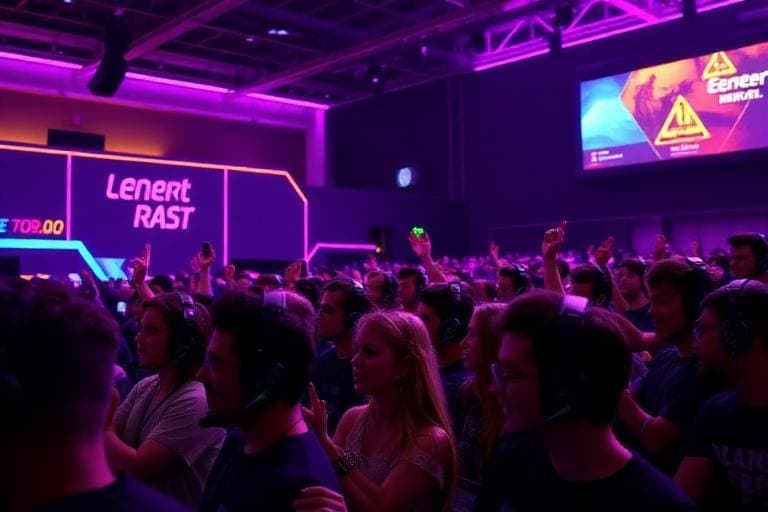
You can spot a dead Discord at thirty paces. The general channel is full of brand announcements. The "introductions" channel has six posts. The official bot is the most active member. Somewhere there is a #suggestions channel that hasn't been read since 2023.
Most brands build communities backwards. They pick a platform first, then try to fill it with people. A real community is built the other way around. You start with the people, find out where they want to gather, and design the space to suit them.
Here is the version of this we wish someone had told us in year one.
Decide who is in, and who is not
A specific community is a thriving community. A vague one dies of nobody-knows-why-they're-here syndrome.
Before you create a single channel, write one sentence: "This community is for people who ___." If the sentence ends with "are interested in our brand," start over. The interesting part is the audience, not you. "For indie devs in their first year of solo development." "For Marvel Rivals players in EU/UK who play ranked together." "For Twitch streamers under 1k followers building their channel." Specific.
A side effect of being specific is you make it easy for the right people to invite their friends. "You'd love this community" is the most efficient growth lever in the world, and it only fires when people can finish the sentence "because it's for ___."

Pick the room before you decorate it
Discord is the default for a reason. It rewards real-time chat, voice, scheduled events, roles, and the kind of unpolished interaction gaming audiences actually want. For most gaming brands, start there. Our piece on running a Discord well covers what to build before you open the doors.
Reddit suits communities that are about a topic, not a brand. Subreddits are democratic and resist branded content, but the engagement compounds for years. Twitch is suited if you have a host who can show up consistently. WhatsApp and Telegram are stronger in some markets and worth checking. The real question is: where is the audience already gathering, and would they prefer it if you ran one?
The first 90 days are the whole game
What happens in the first three months sets the culture forever. We have seen this enough times to bet money on it.
In the first 90 days, the founder or community lead shows up daily, replies to everything, hosts at least one event a week, and seeds the kind of conversations they want to see more of. After 90 days, the early members have absorbed the tone and will reproduce it. Before that, every silence sets the wrong precedent.
If you cannot commit to 90 days of daily presence from a real human, do not start a community yet. You will set fire to your one shot at first impressions.
Status is the underrated lever
Players love status. They earn it in every game they play. Bring that mechanic into your community and people will work for it.
Roles for length of membership. Badges for showing up to events. A leaderboard for participation. An OG channel for early members. A title that gets handed out monthly to whoever helped someone new the most. None of these cost anything. All of them make the community feel like a place where the longer you stay, the more it pays back.
Find your repeaters and pour into them
A community of 10,000 people where the same 50 do all the talking is not a 10,000-person community. It is a 50-person community with 9,950 spectators. That is fine, by the way. Most communities work this way. The trick is to know who the 50 are and treat them properly.
Find your repeaters. Send them a thank-you. Ask them what they would change. Give them something nobody else has, even if that something is just early access to drops or a private channel. Loyalty compounds in private DMs, not public posts.
Avoid the obvious traps
The four ways gaming communities die: making the brand the centre of attention instead of the audience, ignoring moderation until something nasty happens, going wide on platforms before the first one is healthy, and treating the community as a content distribution channel instead of a place.
If you can avoid those four, you are ahead of most agencies, never mind most brands.
A great community is the cheapest, most durable competitive advantage in gaming. It is also the slowest to build. Start now, on purpose, with a real person at the front. The compounding will surprise you.