
Discord Marketing: The Untapped Goldmine for Gaming Brands
Discord is the most under-priced channel in gaming. Most brands run their server like a Slack with worse onboarding. Here is what good looks like.

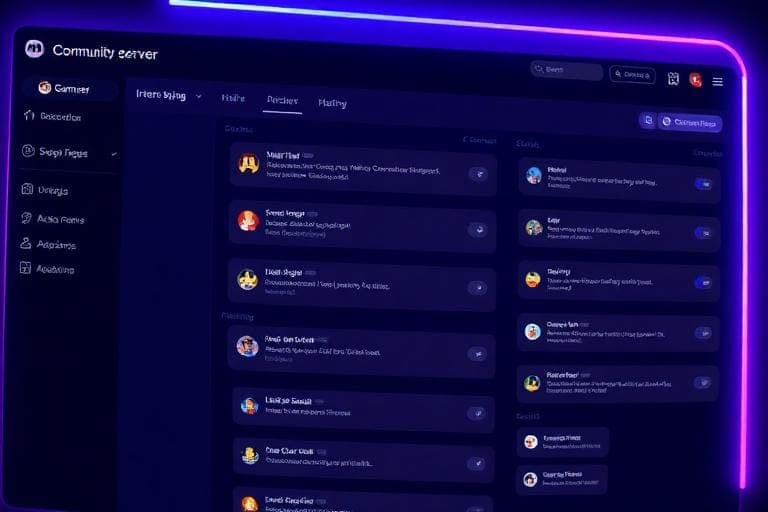
Discord is where your audience actually talks to each other. Not at you, with each other. That is rarer and more valuable than any social channel currently sells you, and the brands that figure it out get a moat that their competitors cannot buy with paid spend.
The catch is that running a Discord well is real work. Most brands start one, post launch announcements into it for six months, and then quietly abandon it when the channel goes silent. Here is the version of this we tell every client.
Stop treating Discord like another social channel
Twitter, TikTok, Instagram, those are broadcast channels. You speak, the audience listens, the algorithm rewards reach. Discord is the opposite. Nobody scrolls Discord. People show up because they want to be in the room with other people who care about the same thing.
If your Discord server reads like an RSS feed of your other channels, your audience will treat it like one and stop opening the app. The whole point of the channel is the conversations between members.

Architecture sets the culture
Channel structure is the most under-thought decision in most gaming Discord servers. Get it wrong and the energy fragments across 40 channels nobody reads. Get it right and the server feels alive even when only 200 people are online.
The version that works for most brands has a small set of channels (under 15), clear naming, no nested categories that hide activity, and at least one always-busy general where the bulk of the chat lives. Specialised channels for serious topics, but not for every conceivable subdivision. New members should be able to read every channel name and immediately know where to post.
If a channel has fewer than three messages a week, merge it into something busier or delete it.
Roles, status and progression
Discord's role system is the underrated mechanic. People will work for status if you give them somewhere to earn it. Roles for length of membership. Roles for showing up to events. Roles for community moderators chosen from the membership, not hired externally. A small number of OG roles that are no longer obtainable, which become quiet badges of honour.
The trick is to make these earnable through participation, not paid through purchase. The moment status is for sale, the meaning evaporates.
Bots, but the right way
Most Discord servers over-bot. Welcome bots, roleplay bots, AI chat bots, level bots, ticket bots, every one of which adds clutter and surface area. Pick the smallest set that does real work. A welcome flow that funnels new members into a single intro channel. A moderation bot that handles the obvious. An events bot that announces and reminds. A levelling bot only if you actually want to gamify participation.
Anything else, switch off until you have a specific reason to switch it on.
Programming is the difference between dead and alive
A server with no programming is a chat room. A server with weekly programming is an actual destination. Watch parties for big tournaments. Open AMAs with people on the team. A weekly developer journal post in a dedicated channel. Game nights run by community moderators. Recurring threads that people anticipate.
Pick two recurring formats and run them every week without fail for a quarter. The community will start showing up for the formats, then stay for everything else.
Measuring whether it's working
Member count is the worst metric. The numbers that matter are: daily active members as a percentage of total, week-on-week return rate, ratio of community-posted messages to brand-posted messages (you want it heavily in the community's favour), and number of repeat attendees at recurring events.
If those four are trending up, the server is healthy. If they are flat while the headline member count grows, you are accumulating spectators, not building a community.
Discord rewards the brands willing to do unglamorous, consistent work. If you have a community manager who genuinely enjoys hanging out with the audience, you are halfway there. If you do not, get one before you do anything else. Our zero-to-superfans guide covers the first 90 days that decide whether the community survives.