
Esports Event Marketing: How to Maximise Social Media Impact
An esports event lives or dies on what you do in the three weeks before it, the three days during it, and the three weeks after. Here is the playbook.

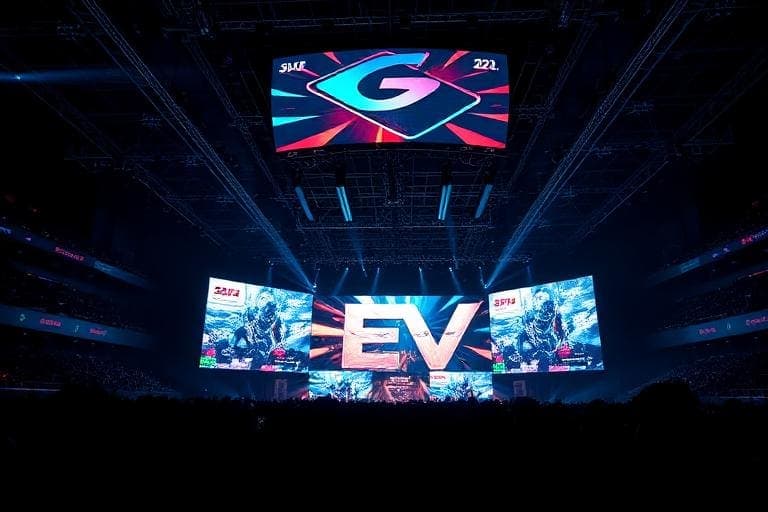
A tournament weekend is a content factory hiding in plain sight. Most orgs treat it like a single event and miss most of the value. The teams winning at event marketing in 2026 plan it as a six-week campaign with a live moment in the middle.
Here is the structure we run with our esports clients.
Pre-event: build a story arc, not a poster
Three weeks out, the audience does not care that your event exists yet. Your job in this window is not to "raise awareness." Your job is to give the audience a reason to feel invested in a specific outcome.
That means stories. Player rivalries with real receipts from previous matches. The team that has finally qualified after three years of trying. The narrative thread that ties this event to the one before. If the audience cannot tell you which player they want to win and why a week before the event, your pre-event marketing is generic.
Ship one story-led piece per day in the final week. Mix formats: a short-form clip, a written breakdown, a poll, a creator-led tease. The point is rhythm and momentum, not volume.
Live: speed beats polish
The minute the event goes live, the rules change. Your social channel becomes a live broadcast. Real-time clips, reactions, milestone graphics, vox pops in the venue. The audience watching the stream on Twitch is also scrolling X on their phone, and your social is the second screen.
The biggest mistake teams make in this window is treating live like a content calendar. Pre-scheduled posts that drop while the actual moment is happening look out of touch. Ditch the calendar for the duration of the event and trust your social team to read the room.
Two practical things that matter: a clipper on the team whose only job is cutting and posting key moments within minutes, and a graphics template kit ready to drop scores, stats and quotes into without bottlenecking through design. If your fastest turnaround on a live clip is 45 minutes, the moment has already left the conversation by the time you publish. Everything we said in the short-form playbook about hooks, captions and aspect ratio applies double when the clip is live.
Post-event: the long tail is bigger than the event itself
Most teams stop publishing 24 hours after the trophy lift. That is when the audience is most receptive to longer-form content, and you have just generated the raw material for six weeks of it.
Publishing schedule for the three weeks after:
A long-form recap from the perspective of the winning player or team. A behind-the-scenes mini-doc that shows what the audience didn't see on the broadcast. A community-led "best moments of the weekend" thread or video. Player vlogs and reactions. The ten-minute career retrospective that the moment unlocked, ideally on YouTube.
Post-event content is where you bank the relationships. Plan it with the same energy as the pre-event push.
Sponsors: programme them in, do not bolt them on
Sponsor activations in social are usually awful, and that is the agencies' fault, not the sponsors'. The fix is to design sponsor moments into the content plan from week one, not bolt logos onto generic content the day before launch.
Examples that actually work: a sponsor presenting a recurring narrative segment ("powered by ___" but for a specific story thread). A creator partnership where the sponsor's product is the prize for a community challenge. An exclusive sponsor-co-branded recap piece released the week after the event.
If a sponsor tile sits awkwardly in your post, you have rushed the thinking. Take it out and rework the integration.
What to measure
Pre-event: tune-in intent (poll-based or pre-registration), follower growth in the audience segment you targeted. Live: peak concurrent viewership, share-of-voice in the relevant hashtag, clip impression count in the first hour. Post-event: longer-form content engagement rate, increase in branded search the week after.
Owner-facing decks usually want one number. Pick "share of voice during the event window" as the headline. It correlates with everything else and is defensible.
Run an event right and the social compounds for months. Run it badly and the only people who knew it happened are the people who were already going.