Gaming Influencer Marketing Guide
Most gaming creator deals fail before the first post goes up. Here is how we pick partners, structure briefs, and avoid the mistakes that waste your budget.

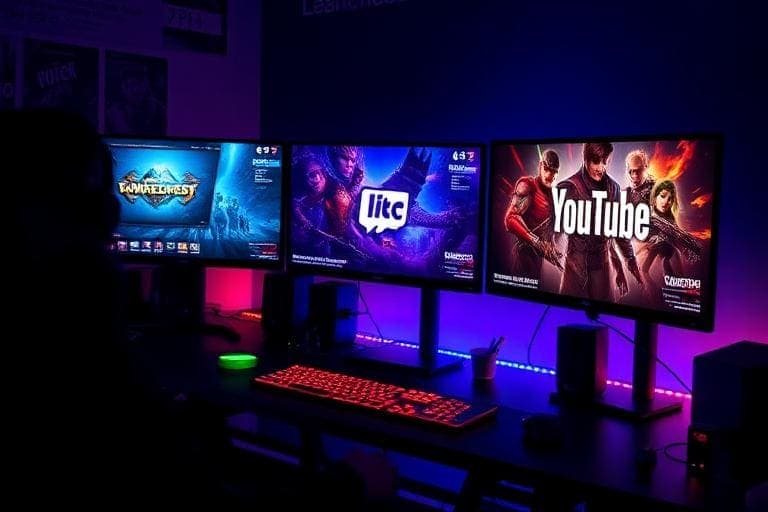
Most brands run their creator partnerships on a single number: follower count. That number explains roughly nothing about whether a campaign will work. Someone with 800k followers and a passive audience will move fewer wishlists than someone with 12k followers in a tightly scoped niche. We have seen this pattern enough times that it is no longer surprising.
This is the version of creator marketing we run with our clients, in plain English.
Stop pricing on followers, start pricing on fit
Audience size sets a ceiling on reach, not on outcomes. The variables that actually predict whether a partnership pays back are: how closely the creator's audience overlaps with your target, how often the creator already talks about adjacent products, the creator's average response per post in the format you are buying, and the creator's track record with other paid placements.
If you cannot answer those four about a creator, you are not ready to brief them.
Pick creators who already love the category
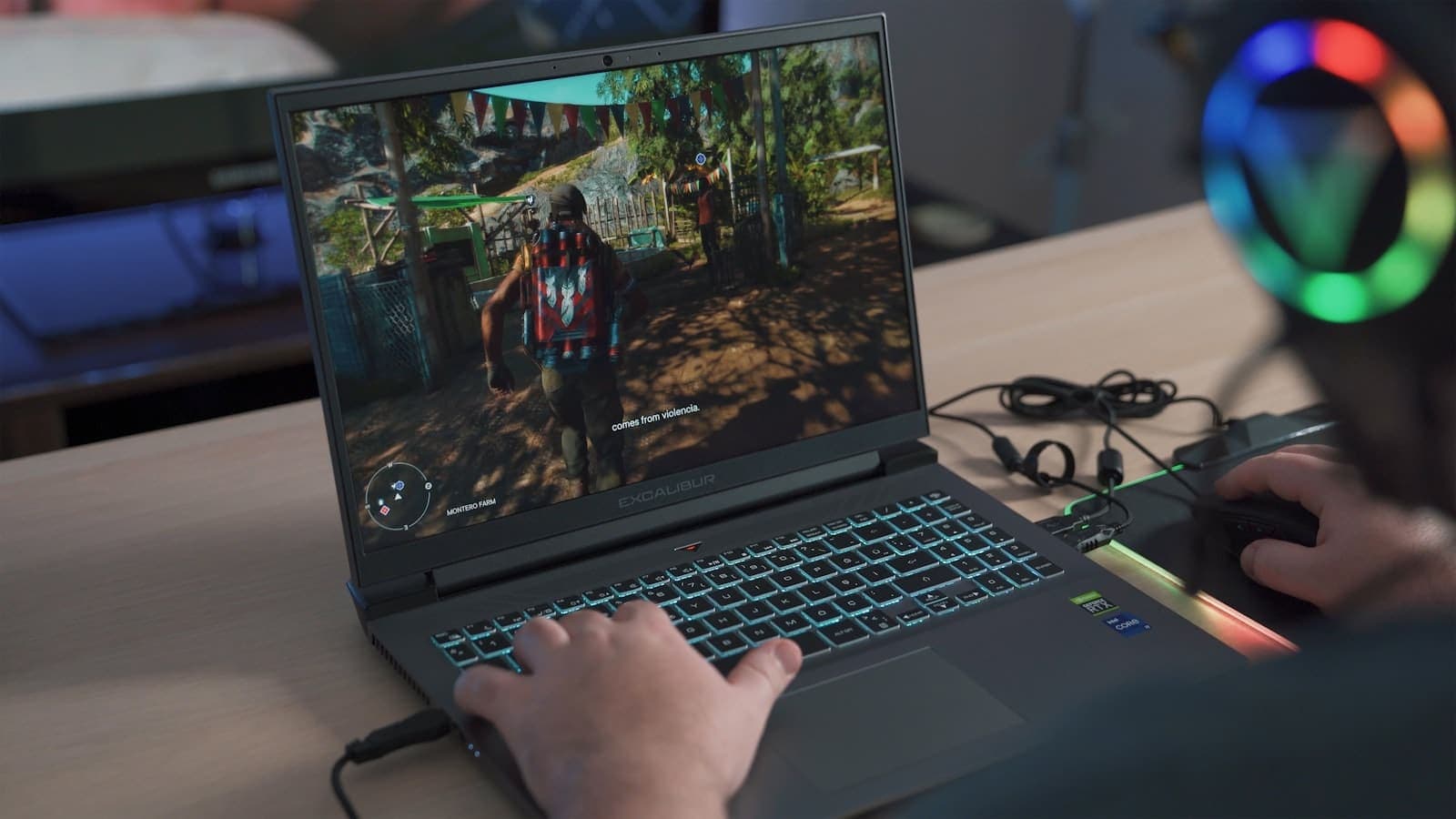
The gold-standard partnership is one where the creator would have made the post anyway. Not because they are inauthentic if they wouldn't, but because the audience can smell the difference between curiosity and contract.
Before you brief, scroll their last 30 posts. Whether that is on TikTok, YouTube or Twitch, if you cannot find at least three pieces of unprompted content about your category or a competitor's product, look elsewhere. The integration will not land.
The brief is the product
Most creator deals fail at the brief. Brands either over-prescribe (turning the creator into a TV reader) or under-prescribe (and end up with content that misses the strategic point entirely).
The brief that works splits the difference: it gives the creator the three or four facts that must appear in the content (the price, the platform, the launch date, the differentiator), one mandatory call to action, and then explicit creative freedom on everything else. Tone, format, jokes, hooks, structure, all theirs. You hired them because they know their audience. Let them.
Pay properly and the work pays back
Trying to talk a creator down on rate is the surest way to get the bare minimum from them. Most creators have a price list. Pay it, or pick a different creator. The 15% you think you saved by haggling is paid back in lower production effort, fewer revisions, and a softer push from the creator's own social channels.
If the budget is genuinely tight, do fewer deals at the proper rate. Three excellent partnerships beat ten lukewarm ones, every time.
Build for repeat, not one-off
The brands getting outsized returns from creator marketing are the ones running long-term programmes, not one-off integrations. A creator who has worked with you four times has audience trust to spend on your behalf. A creator who has worked with you once is still introducing you.
Structure deals as quarterly or yearly partnerships where possible. Lower per-post rates in exchange for volume and exclusivity in your category. Build creators into your launches, your events, your community moments, not just one promo.
Measure what matters, not what's easy
Views and likes are easy to count and tell you almost nothing. The metrics that matter for creator deals depend on your goal. For wishlists, track Steam wishlist additions in the 72 hours after a post. For sign-ups, use a creator-specific UTM and tracking link. For brand awareness, run a pre and post poll in your community.
If you cannot tie a creator deal to one of those, do not run the deal. There are too many other places to put the money. If you want the longer version of how to read those numbers, our analytics guide is the companion piece to this one.
Creator marketing in gaming works, when you treat creators as media partners with real weight instead of media buys to negotiate down. Pick fit over reach, pay the rate, brief generously, run repeats. That is the whole loop.